

The Father of User Experience Design
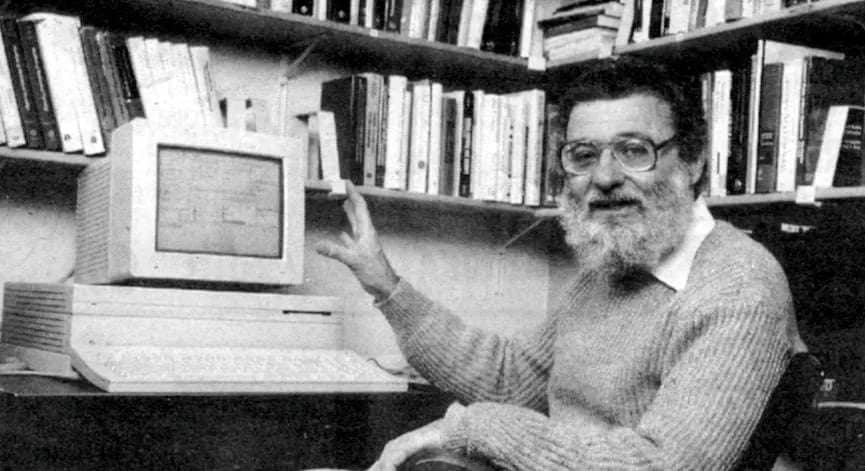
Don Norman is a name synonymous with user experience (UX) design. Often referred to as the “father of UX,” his groundbreaking work has transformed how we interact with technology—making products not only usable but meaningful. Norman’s influence reaches far beyond academia, shaping both industry practices and the everyday digital experiences we now take for granted.
A Pioneer in Human-Centered Design
Norman’s journey into UX began through his work in cognitive science, where he studied how humans think, learn, and interact with their environment. This research laid the foundation for his future contributions to human-computer interaction (HCI).
One of Norman’s most influential ideas is the concept of affordances—the perceived and actual properties of an object that suggest how it should be used. For example, a handle suggests pulling, while a flat plate suggests pushing. In his view, good design should be intuitive, reducing the need for instructions or guesswork.
Norman also introduced the importance of emotional design—arguing that products should evoke positive emotional responses, not just perform tasks efficiently. This perspective has become a guiding principle in modern UX, recognizing that user satisfaction goes beyond function and includes aesthetics, delight, and emotional connection.
Bridging Theory and Practice
Beyond academia, Don Norman has applied his insights in high-profile industry roles. He served as a Vice President at Apple, worked at Hewlett-Packard, and later co-founded the Nielsen Norman Group, a leading UX research and consulting firm.
His books—particularly The Design of Everyday Things and Emotional Design—are considered essential reading for designers, engineers, and product teams around the world. These works champion usability, empathy, and thoughtful design, and have helped UX mature into a vital discipline across industries.
Lasting Legacy
Don Norman’s impact on design is profound and enduring. His human-centered approach encourages designers to prioritize the needs, limitations, and emotions of real users. As digital products become increasingly embedded in daily life, Norman’s ideas remain as relevant as ever—reminding us that good design is not just about how things work, but how they make us feel.
“It’s not about technology. It’s about people.”
— Don Norman
Comments are closed.