

Marion Stokes: The Accidental Archivist
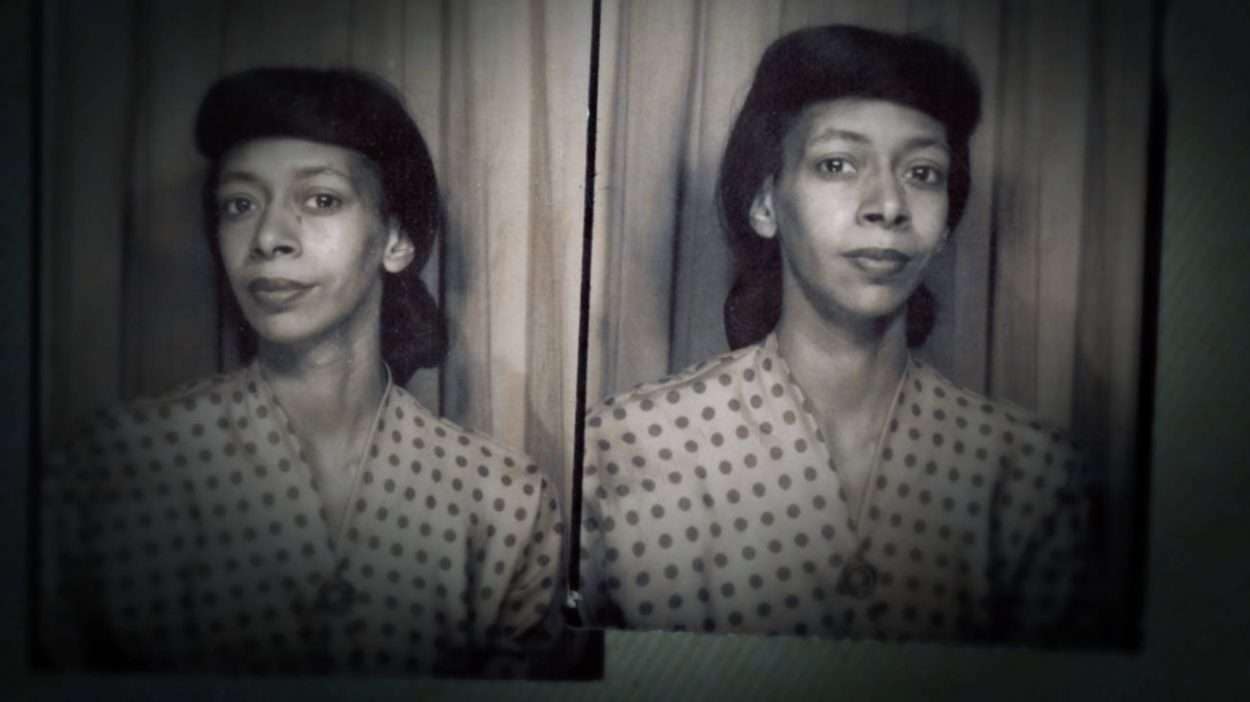
A Woman Who Recorded History and Preserved a Nation’s Media Memory
Marion Stokes wasn’t a mega media executive, a journalist, or a historian by training. She was a librarian, activist, and former television producer who quietly became one of the most significant archivists of the 20th and early 21st centuries. Over the span of 33 years, from 1979 until her death in 2012, she recorded American television news around the clock—ultimately preserving over 70,000 VHS and Betamax tapes of cable and network broadcasts.
What began as a personal project fueled by a deep concern for truth and information control became one of the most comprehensive archives of modern televised history ever created.
A Personal Archive, A Public Treasure
Stokes’s collection, a testament to her dedication, includes news broadcasts, commercials, and entertainment programs. It offers a unique window into American culture and politics over three decades. Her recordings have been used by filmmakers, historians, and journalists to analyze societal trends, political discourse, and the evolution of media.
Stokes began recording during the Iran Hostage Crisis in 1979, suspecting that broadcast media shaped public perception in ways that weren’t always apparent—and weren’t always archived. Her fears of government censorship, combined with an interest in how narratives evolve in real time, led her to tape multiple news stations 24/7 using up to eight VCRs at once in her Philadelphia home and nearby apartments.
Her archive includes local and national news, commercials, political speeches, cultural moments, and everyday broadcasts that were rarely preserved elsewhere. These tapes now serve as a unique media time capsule, providing researchers, filmmakers, and historians a way to examine how information was presented, omitted, or manipulated.
The Legacy of Marion Stokes
Stokes’s collection isn’t just a historical record—it’s a striking example of how a single individual can create a body of work with lasting cultural and political relevance. Her archive has been used to analyze shifting media narratives, public response to national crises, and even changes in commercial advertising over time.
After her death, her family worked with the Internet Archive to digitize and make parts of the collection accessible to the public. Today, selections from the archive are available at archive.org, offering an invaluable resource for understanding the evolution of news media in the U.S.
On Film: Recorder: The Marion Stokes Project
In 2019, the documentary film “Recorder: The Marion Stokes Project” was released, offering a captivating glimpse into the life and extraordinary work of Marion Stokes. This film delves into her obsessive recording of American television for over three decades, shedding light on her motivations and the historical significance of her massive archive.
The documentary explores Stokes’s unique perspective, her fears of government censorship, and her desire to preserve a comprehensive record of American culture and politics. It showcases the sheer scale of her project, as well as the challenges faced by her family in dealing with her obsessive behavior.
“Recorder: The Marion Stokes Project” has been praised for its insightful exploration of a fascinating individual and her impact on history. It’s a must-watch for anyone interested in media, history, or the human condition.
By understanding the story of Marion Stokes, we can appreciate the value of preserving our cultural heritage and the impact that individual actions can have on history.
Comments are closed.