

Building a Design Portfolio: A Guide for Aspiring Designers
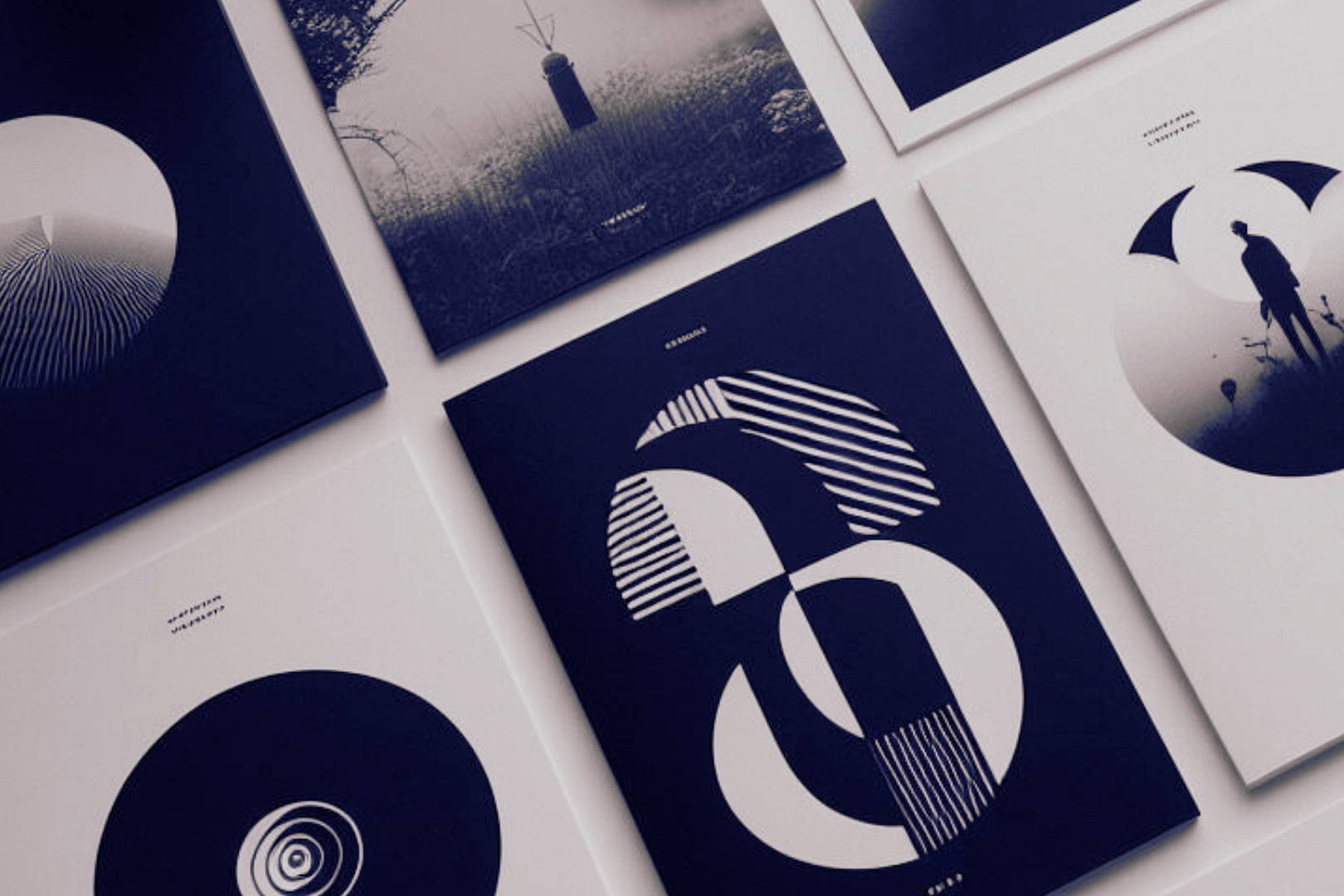
So you’ve honed your design skills, mastered the latest software, and are eager to launch your design career. But before you hit the “apply” button on every dream job listing, there’s one crucial element you need: a killer design portfolio.
Your portfolio is your visual resume, a curated showcase of your talent and potential. It’s the first impression you make on potential employers, so getting it right is paramount. Here’s a comprehensive guide to building a successful design portfolio.
Define Your Design Niche
Are you a master of branding and identity design? Or do your passions lie in user interface (UI) and user experience (UX) design? Identifying your design niche helps tailor your portfolio to showcase relevant skills and experience. This focus can be particularly important if you’re fresh out of design school, as it demonstrates a clear direction and avoids a portfolio that feels scattered.
Quality Over Quantity
It’s tempting to cram your portfolio with every project you’ve ever touched. Resist the urge! Focus on quality over quantity. Select projects that truly showcase your strengths, your design process, and the positive impact your work made. Aim for a portfolio with 5-10 strong projects, leaving room to breathe and highlight each piece effectively.
Storytelling Through Design
Don’t just present visuals; tell a story. For each project, provide context. Explain the design challenge, the target audience, and the overall goals. Walk viewers through your design process – sketches, wireframes, and the final product – to demonstrate your problem-solving skills and design thinking.
Curating for Different Platforms
While a physical portfolio can be impressive, an online portfolio is essential in today’s digital world. Design platforms like Behance or Dribbble offer excellent options for showcasing your work. Remember to tailor your portfolio for each platform. While Behance allows for in-depth project descriptions, Dribbble focuses more on visuals.
Mobile Optimization is a Must
With the rise of mobile browsing, ensure your portfolio displays flawlessly on all devices. Images should load quickly, and navigation should be intuitive on both desktop and mobile screens. A user-friendly mobile experience demonstrates your understanding of responsive design principles, a valuable skill in today’s job market.
It’s All About User Experience
Your portfolio website should be a user-friendly experience itself. Make navigation clear and intuitive, with high-quality visuals and easy-to-read fonts. Include a clean and concise “about me” section that highlights your skills and experience. Lastly, ensure your contact information is prominently displayed.
The Power of Feedback
Before hitting publish, get fresh eyes on your portfolio. Seek feedback from design peers, mentors, or even professors. Their honest critiques can help you refine your project selection, identify areas for improvement, and ensure your portfolio effectively communicates your design capabilities.
Keep it Fresh, Keep it You
Your design portfolio should be a living document. As you gain new experiences and tackle new projects, update your portfolio to reflect your growth. Don’t be afraid to showcase personal projects that showcase your design voice and passion. After all, your unique perspective can be a valuable asset!
Building a strong design portfolio takes time and effort, but the rewards are worth it. By following these tips and embracing a strategic and user-centered approach, you can craft a portfolio that stands out from the crowd and lands you your dream design job.
Comments are closed.